WWII internment of Japanese Americans is well-known. Yet this was not unique. Many nations imprisoned civilians based on ancestry during the war. Some untold stories are even more horrific.
10. Canadian Internment Camps Were Worse Than The American Ones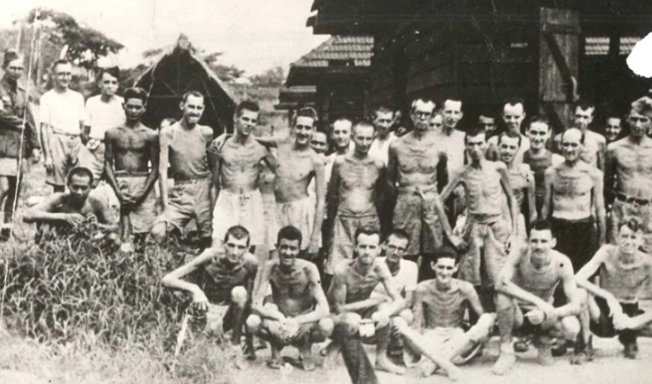
During WWII, over 23,000 Japanese Canadians were forcibly interned, mirroring U.S. actions. Their property was confiscated with a false promise of safekeeping, only to be auctioned off without consent within six months. Internees were housed in unheated, converted barns and chicken coops, sleeping on flea-infested sacks. During the record-cold 1942-1943 winter, they endured -40°C temperatures, barely surviving by packing dirt against thin walls for insulation.
While the U.S. began releasing internees in 1944, Canada detained Japanese Canadians until April 1949. Upon release, the government pressured many to relocate to Japan permanently, deporting 4,000 individuals before any were truly freed.
9. The US Also Interned Italian, German, Taiwanese, And Korean Civilians
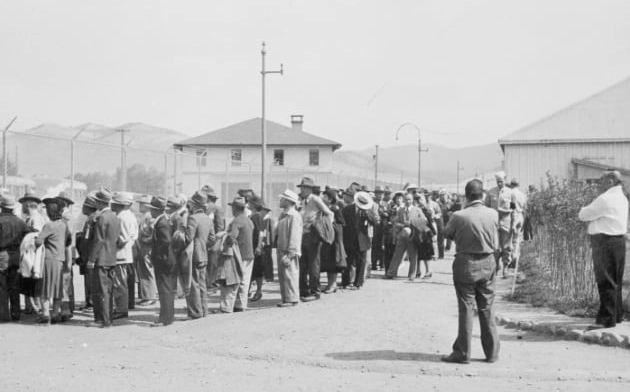
During World War II, the U.S. interned not only Japanese Americans but also Taiwanese and Koreans, who were classified as Japanese. Additionally, thousands of German and Italian American immigrants were detained as enemy aliens, sometimes based on absurd criteria—like Giuseppe DiMaggio, who faced internment despite decades in the U.S. for not obtaining citizenship.
Hundreds of thousands faced severe restrictions; over 600,000 Italian Americans endured strict curfews. Public sentiment was even more extreme: a 1944 poll revealed 13% of Americans supported exterminating all Japanese people in the U.S., including children.
8. Jewish Refugees In Britain Were Interned And Deported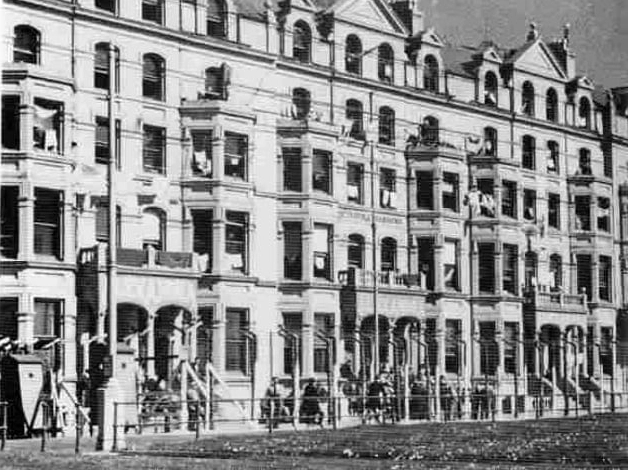
When Germany took Norway in 1940, paranoia started to consume Great Britain. Every person of German or Italian descent was labeled an “enemy alien” and locked up. Most of those people were Jewish. Of the 80,000 enemy aliens in Britain, 55,000 were refugees who had fled to Britain to escape persecution by the Nazis. Those refugees were almost exclusively Jews—people who had barely escaped death in concentration camps, only to be locked in a different set of camps by the people who’d promised to protect them.
Families were torn apart. The prisoners, for the first year of captivity, were separated into male and female camps, pulling husbands and wives apart and refusing to let them be together. An additional 7,000 were kicked out of the country altogether and sent off to camps in Canada and Australia. Not all of them survived the journey. One ship, en route to Canada, was attacked as a German vessel and destroyed. 714 people died.
7. Finland Starved 4,000 Prisoners To Death
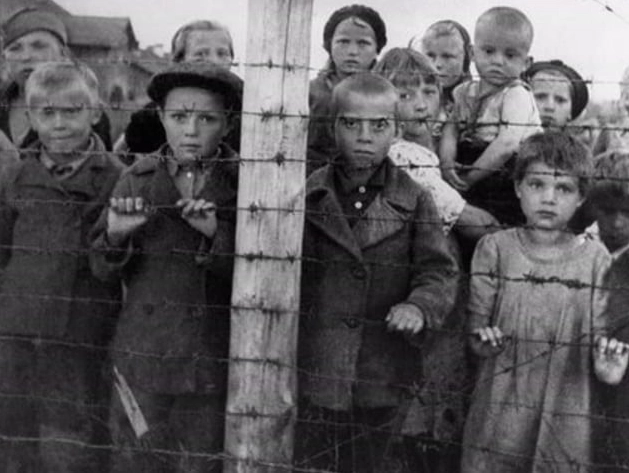
In Finland, it was Russian civilians who were locked up in camps. When the Finnish army moved into East Karelia, they rounded up 24,000 Russian civilians who lived on the land and threw them into camps surrounded by barbed wire. The prisoners were barely fed, and before the war was over, 4,000 had died.
The families weren’t rounded up because they were any kind of threat; or, at the very least, that certainly wasn’t the main reason. They were meant to be bartering chips—Finland’s goal was to trade their civilian captives for prisoners of war. Others—the Jewish captives—could be used to win good faith with the Nazis. More than ten percent of the Jews in the camps were sent off to the Gestapo. Death, though, soon consumed the camps. Malnourishment was the greatest killer. Starving bodies fell throughout the camps, with the worst deaths hitting in the middle of 1942. Over just a few months, 3,500 Russian prisoners starved to death.
6. The Japanese Starved And Murdered Interned Civilians
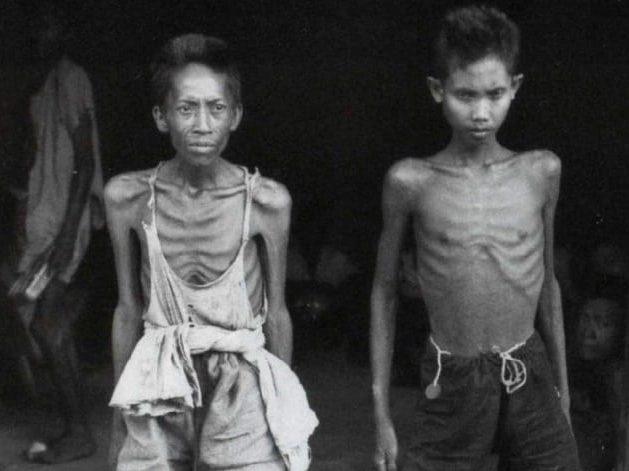
During World War II, the Japanese government interned over 130,000 civilians in occupied territories—more than the number detained by the United States. These non-combatants, caught in invaded Southeast Asian regions, endured conditions often as harsh as those in POW camps. In most camps, severe starvation was common, and violence was routinely inflicted on detainees, with beatings described as regular as clockwork.
The smallest camps were often the most brutal due to fewer witnesses. For example, after an Allied bombing raid on a camp in Nauru holding just seven prisoners, Japanese guards beheaded two civilians merely to vent their frustration. Such extreme brutality underscored the grim fate faced by internees under Japanese occupation.
5. Seven Prisoners In A Japanese Internment Camp Were Publicly Tortured And Executed
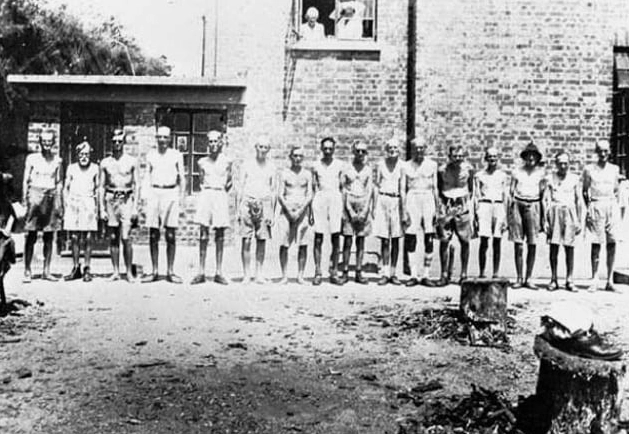
The largest Japanese-run internment camp was in Hong Kong. It was called the Stanley Internment Camp, and it held 2,800 civilian prisoners inside. Most of the people locked inside were British civilians who’d refused to flee Hong Kong when the Japanese armies rolled in. They were given nothing to eat but the scrapings of leftover food. A family of five would get little more than a bowl of rice and a bowl of stew to eat, and even that, according to an inmate, “frequently contained dust, mud, rat and cockroach excreta, cigarette ends and . . . dead rats.”
121 of the internees didn’t make it out alive. The most horrifying story of all, though, happened to seven men who tried to stage an escape. They got their hands on a radio set and used it to contact the outside world—and when they were caught, the payback was horrible. The seven men were publicly tortured while the other inmates were forced to watch. When they couldn’t stand any more pain, the men were either shot or beheaded as a warning to the others never to try to escape.
4. Jewish Refugees Were Robbed And Beaten On The Way To Camps In Australia
Australia interned 7,000 of its own Japanese, German, and Italian residents, plus an additional 8,000 from other nations. The most tragic case was the ship Dunera, which transported 2,000 Jewish refugees—some Holocaust survivors—alongside 451 Axis POWs. Designed for 1,600, it was crammed with 2,500 people.
The 57-day journey was horrific: prisoners slept piled on floors, had only 30 minutes of fresh air daily, and endured severely cramped, filthy conditions. Upon arrival, their valuables were stolen by guards, and remaining items like medicine and prayer books were dumped at sea. They were then imprisoned in Australian camps.
3. Peru Deported Japanese Residents To American Internment Camps
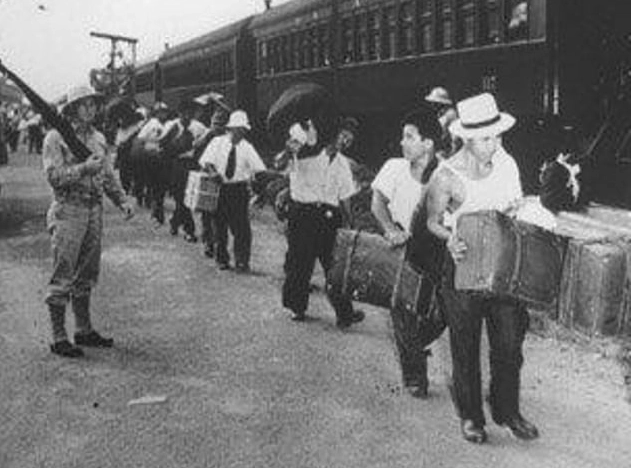
During World War II, the US government requested that Peru deport Japanese Peruvian civilians to be used as bargaining chips in prisoner exchanges with Japan. Peru, which harbored strong anti-Japanese sentiment, complied. Among the 2,200 internees sent to American camps, many had never lived in the US.
After the war, 800 were exchanged for American POWs and sent to Japan, a foreign country to them. Peru refused their return post-war, forcing another 1,000 to relocate to Japan. Only a small number remained in the US, building new lives there. Most never returned home.
2. Native Alaskans Were Interned And Died At Horrifying Rates
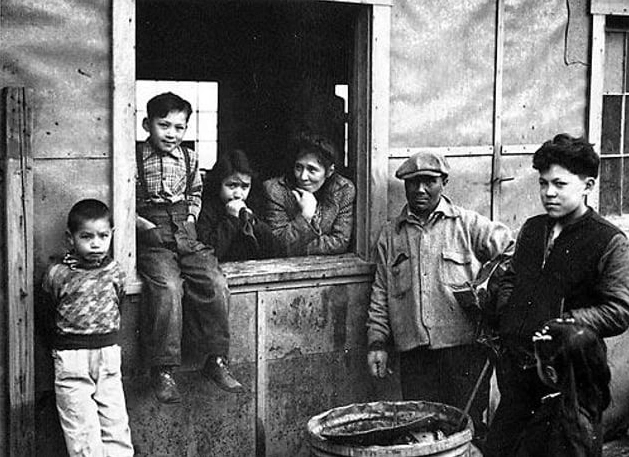
Not everyone in the internment camps was from an enemy country. 881 Native Americans living in Alaska were locked up for three and a half years, even though they were as American as anyone could possibly be. The government didn’t suspect them of treason. Instead, they locked them up in the camps for what they said was their own safety. Alaska, they believed, was about to become a war zone, and so they moved them into camps—most of which were still right in the path of war.
They didn’t protect anybody, though. The conditions were so horrible in these camps that the Native Alaskans died at a horrifying rate. Their camps were dilapidated, abandoned buildings; one was a converted gold mine, while another was an old cannery. Disease was rampant, with nearly every person in the camps infected. By the end of the three and a half years that the Alaskans spent in these camps, one in ten prisoners had died. Most went out in slow, painful deaths, starving, freezing, or plagued by disease.
1. Norway Labeled Its Own Citizens As ‘German Whores’ And Locked Them Up
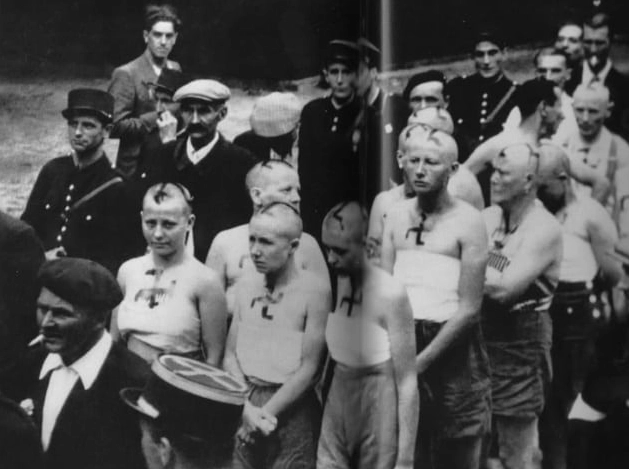
After WWII, some nations turned their wrath on their own citizens. In Norway in 1945, 5,000 women were branded "tyskertoes" ("German whores") and interned without trial. Many had taken German lovers during the occupation, but others were imprisoned simply for working as cleaners or seamstresses for Germans. Authorities claimed this was for their protection, as mobs—egged on by media—often dragged them into the streets and shaved their heads.
Similar persecution occurred in France, where women accused of supporting Germans were stripped, beaten, paraded, and had their heads shaved. Men, however, largely escaped punishment. In Norway, 28 men who married German women faced no consequences, while every woman who took a German husband was deported, stripped of citizenship, and branded a traitor for life.